

1. Introduction
Fatty liver often develops quietly. There may be no pain, no obvious warning signs and no reason to suspect that fat is gradually building up inside one of the body’s hardest-working organs. Yet fatty liver disease is now one of the fastest-growing liver health problems in both the UK and the USA.
Around one in three adults may be affected. That means millions of people could be living with fatty liver without realising it. The encouraging news is that, especially in the early stages, fatty liver can often be improved — and in many cases reversed — through steady, realistic changes to diet, movement and everyday habits.
2. What Is Fatty Liver?
The liver is sometimes called the body’s chemical factory — and for good reason. It helps process nutrients from food, stores energy, produces bile to digest fats, filters harmful substances from the blood, and supports many of the body’s essential metabolic processes.
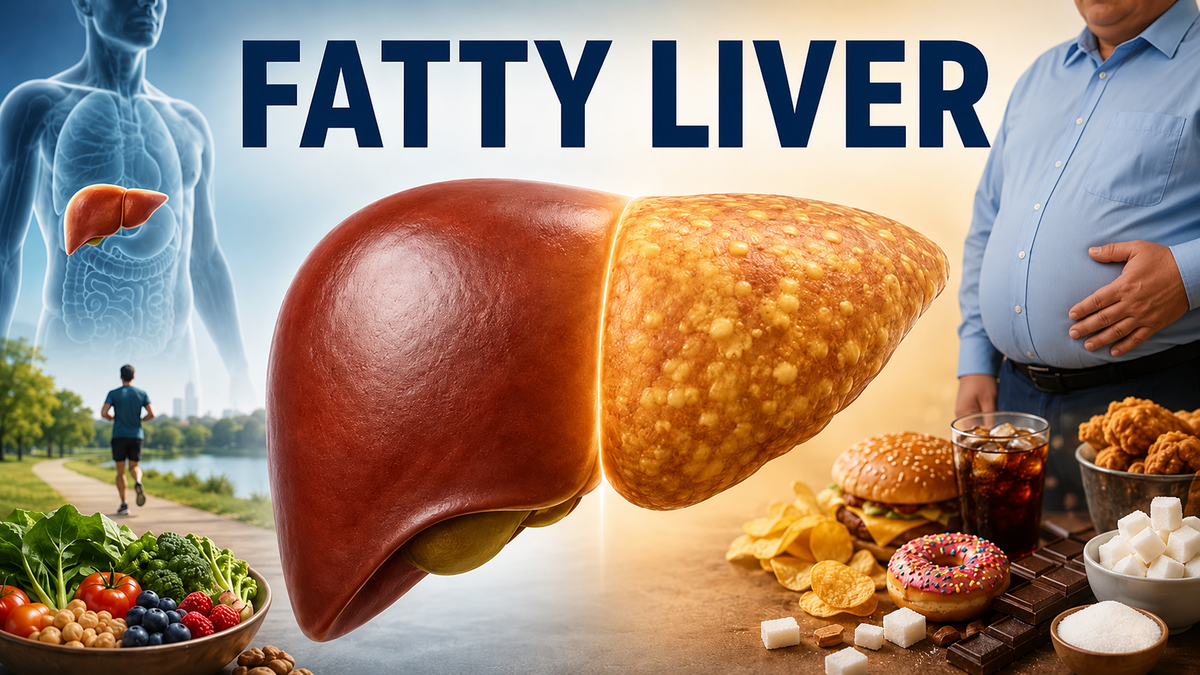
A healthy liver contains little fat. Fatty liver develops when too much fat is stored in liver cells. At first, this may not cause noticeable problems. But if the build-up continues, it can contribute to inflammation and scarring.
You may still see the older term NAFLD, which stands for non-alcoholic fatty liver disease. The newer name is MASLD, or metabolic dysfunction-associated steatotic liver disease. This name better reflects the fact that fatty liver is often linked with metabolic factors such as insulin resistance, excess weight around the waist, raised blood fats, high blood pressure or type 2 diabetes.
MASLD is different from alcohol-related fatty liver disease, where alcohol is the main driver of fat build-up and liver damage. Some people may have a mixture of metabolic risk factors and alcohol intake, so it is important to be honest with a GP or healthcare professional about drinking habits.
3. What Causes Fatty Liver?
One of the biggest misunderstandings about fatty liver is that eating fat is always the main problem. In reality, the liver often becomes fatty when the body is receiving more energy than it can use — particularly from sugar, refined carbohydrates and ultra-processed foods.
Excess calories matter. When the body repeatedly receives more energy than it needs, the surplus has to be stored somewhere. Some is stored as body fat, and some can end up in the liver. This is especially likely when insulin resistance is present. Insulin helps move sugar from the blood into cells. When cells become less responsive to insulin, the body produces more of it, and the liver is pushed towards making and storing more fat.
Sugar is a major part of the story, particularly fructose. Fructose is a type of sugar found naturally in fruit, but it is also used in added sugars and sweeteners such as high fructose corn syrup. Unlike some other sugars, much of the work of processing fructose happens in the liver. When intake is high — especially from soft drinks, sweets, cakes, biscuits and sweetened processed foods — the liver can convert excess fructose into fat.
This is why sugary drinks are such a concern. They deliver a large amount of sugar quickly and do not make us feel full in the same way as solid food. Fruit juice may sound healthy, but one glass can contain the sugar of several fruits without the fibre that slows absorption. Whole fruit is different: it contains fibre, vitamins, minerals and protective plant compounds, and is generally a much better choice than juice.
Refined carbohydrates can also contribute. White bread, refined breakfast cereals, pastries and many snack foods are rapidly broken down into sugar. When eaten frequently, they can encourage weight gain, insulin resistance and fat accumulation in the liver.
Alcohol is another important factor. Even if a person has MASLD rather than alcohol-related liver disease, alcohol can add extra strain to the liver. Lack of exercise, poor sleep and chronic stress may also make metabolic health worse.
Importantly, fatty liver does not only affect people who are overweight. Slim people can develop it too, especially if they carry more fat around the organs, have insulin resistance, eat a high-sugar diet or have other metabolic risk factors.

4. Why It Matters
Fatty liver is often called a silent disease because many people feel perfectly well. Others may notice vague symptoms such as tiredness, feeling generally unwell, discomfort under the right ribs, low energy, poor concentration or unexplained changes in weight. These symptoms can have many causes, so blood tests, scans or medical assessment are often needed to understand what is happening.
The concern is not only the fat itself, but what can happen if inflammation and scarring develop over time.
Fatty liver ↓ MASH ↓ Fibrosis ↓ Cirrhosis ↓ Liver cancer
MASH stands for metabolic dysfunction-associated steatohepatitis. This is when fat in the liver is accompanied by inflammation and liver cell injury. Fibrosis means scarring. Cirrhosis is advanced scarring that can affect how well the liver works and may increase the risk of liver cancer.
Fatty liver is also closely linked with wider metabolic health. People with fatty liver are more likely to have or develop type 2 diabetes, heart disease and stroke. In fact, for many people with fatty liver, heart and blood vessel health is just as important as liver health.

5. Can Fatty Liver Be Reversed?
In many cases, yes. The liver has a remarkable ability to repair itself when the cause of damage is reduced. This does not mean change happens overnight, but it does mean that practical daily choices can make a real difference.
Research and clinical guidance suggest that losing around 5–10% of body weight can significantly improve liver fat, inflammation and related metabolic markers. For someone weighing 90 kg, that means losing around 4.5–9 kg. The most successful approach is usually not a harsh crash diet, but a sustainable pattern of eating and movement that can be maintained.
A Mediterranean-style diet is one of the most widely recommended patterns for metabolic and liver health. It focuses on vegetables, legumes, beans, whole grains, leafy greens, broccoli, nuts, seeds, avocado and olive oil. It is rich in fibre and healthy fats, and naturally lower in sugary, highly processed foods.
At the same time, it helps to cut down on sugary drinks, fruit juice, sweets, cakes, white bread, refined cereals, ultra-processed foods and alcohol. This does not require perfection. It simply means changing the foods and drinks that appear most often in daily life.
Movement is another powerful tool. Regular walking, cycling, swimming, resistance training or any activity that raises the heart rate can help reduce liver fat and improve insulin sensitivity. Even a brisk daily walk is a meaningful place to start.
Sleep and stress matter too. Poor sleep can make appetite, blood sugar and weight control harder. Chronic stress can push people towards comfort eating and less activity. A regular bedtime, screen-free wind-down time, outdoor light in the morning and simple stress-management habits can all support the bigger picture.
Moderate coffee intake has also been associated with a lower risk of liver fibrosis in some studies. For many adults, 2–3 cups a day without lots of sugar, syrups or cream may fit well within a healthy routine, although people who are pregnant, sensitive to caffeine or living with certain medical conditions should seek personalised advice.

6. HealthAid Livercare®
A healthy diet and regular exercise remain the foundation of liver health. However, many people choose additional nutritional support.
HealthAid Livercare® is designed to be used as part of a balanced lifestyle. It contains nutrients and botanical ingredients traditionally used to support normal liver function, including Milk Thistle, Choline, Methionine, Inositol, B vitamins, Artichoke, Dandelion and Turmeric.
Choline contributes to normal liver function and normal fat metabolism. B vitamins contribute to normal energy-yielding metabolism, helping the body release energy from food. Ingredients such as Milk Thistle, Artichoke, Dandelion and Turmeric also have a long history of traditional use in herbal nutrition.

Related Articles
References
- European Association for the Study of the Liver, European Association for the Study of Diabetes and European Association for the Study of Obesity. Clinical Practice Guidelines on the management of MASLD. Journal of Hepatology, 2024.
- American Association for the Study of Liver Diseases. Clinical assessment and management guidance for metabolic dysfunction-associated steatotic liver disease.
- NHS. Non-alcoholic fatty liver disease information and patient guidance.
- British Liver Trust. Treating non-alcohol related fatty liver disease with healthy eating and physical activity.
- National Institute of Diabetes and Digestive and Kidney Diseases. Research update on high fructose intake and fatty liver disease.
- HealthAid. Livercare® Tablets product information.
Disclaimer
This article is for general information only and is not a substitute for medical advice, diagnosis or treatment. If you have symptoms, abnormal liver tests, diagnosed liver disease, diabetes, are pregnant, taking medication or have concerns about your liver health, speak to your GP or a qualified healthcare professional.


