

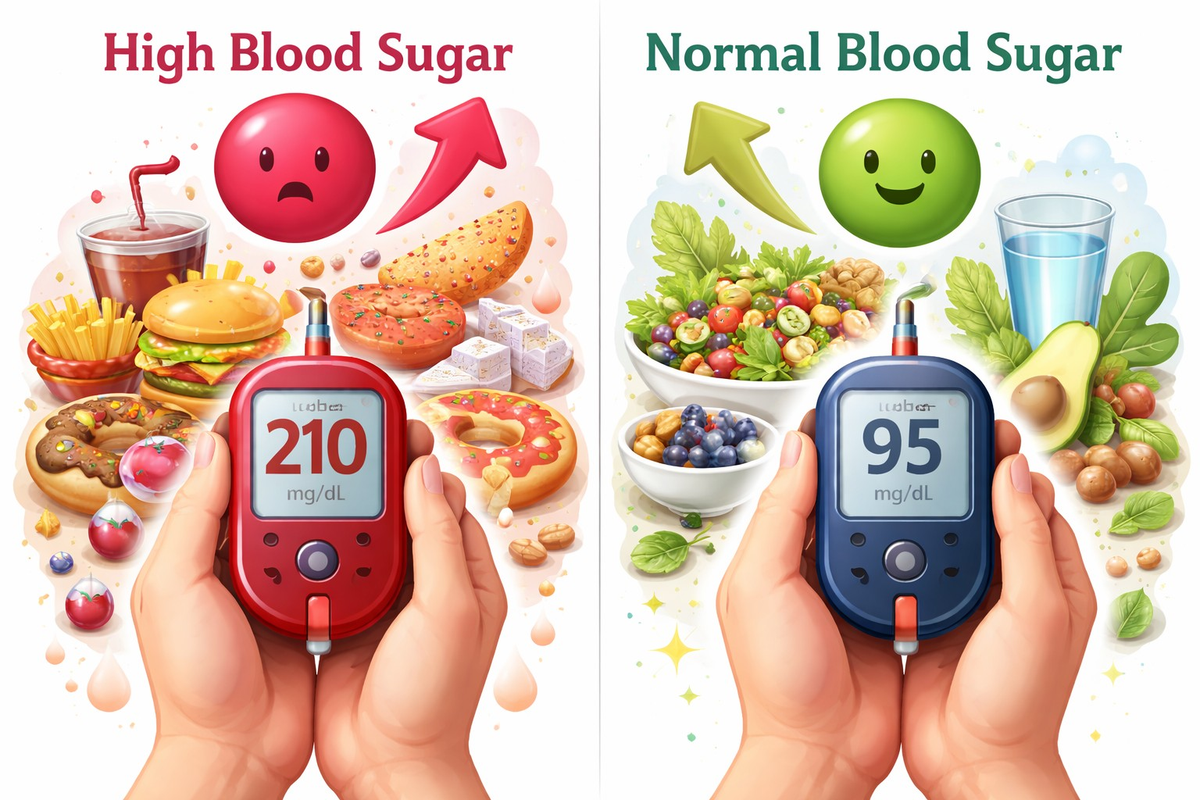
Maintaining stable blood sugar isn’t just important for people with diabetes—it’s essential for everyone. Balanced glucose levels support energy, mood, metabolism, and long-term health. In this guide, we explore what blood sugar is, why it matters, and how to keep it in a healthy range through diet, lifestyle, and targeted supplementation.

1. What Is Blood Sugar and Why Is It Important?
Blood sugar (blood glucose) is the amount of glucose circulating in your bloodstream. Glucose comes primarily from carbohydrates in your diet and serves as the body’s main source of energy. After you eat, glucose enters the blood, and insulin—produced by the pancreas—helps transport it into your cells where it’s used for energy or stored for later.
Why Healthy Blood Sugar Matters
- Energy Supply: Your brain alone uses about 20% of your daily glucose intake.
- Stable Mood & Focus: Balanced levels prevent energy crashes, irritability, and mood swings.
- Hormonal Balance: Blood sugar impacts insulin, cortisol, and even sex hormones.
- Cellular Health: Every cell relies on glucose to produce ATP, the body’s energy currency.
When blood sugar is stable, you feel energised, focused, and balanced. When it’s not, it can trigger a chain reaction affecting every organ system.

2. What Happens When Blood Sugar Becomes Unstable?
Both high (hyperglycaemia) and low (hypoglycaemia) blood sugar can have serious consequences.
Short-Term Symptoms
- Fatigue, brain fog, irritability, low mood
- Headaches or dizziness
- Increased hunger and sugar cravings
Long-Term Consequences of Chronic High Blood Sugar
- Type 2 Diabetes: Caused by persistent insulin resistance.
- Heart Disease: High glucose damages blood vessels, raising cardiovascular risk.
- Kidney Damage (Nephropathy): Excess glucose overworks the kidneys.
- Nerve Damage (Neuropathy): Tingling, pain, or numbness in hands and feet.
- Eye Damage (Retinopathy): Can progress to vision loss.
- Cognitive Decline: Higher risk of Alzheimer’s and dementia.

3. Signs Your Blood Sugar May Be Out of Balance
High Blood Sugar (Hyperglycaemia)
- Excessive thirst
- Frequent urination
- Blurred vision
- Fatigue or headaches
- Slow-healing wounds
Low Blood Sugar (Hypoglycaemia)
- Shakiness or trembling
- Sweating
- Irritability or anxiety
- Confusion or dizziness
- Heart palpitations
If these symptoms occur often, it may be time to assess your diet, lifestyle, or speak to your healthcare provider.
4. What Can Cause Blood Sugar Imbalance?
Many factors can disrupt glucose regulation, including:
- Diet high in refined carbs and sugar
- Skipping meals or eating large meals late at night
- Chronic stress: Cortisol raises blood sugar
- Poor sleep: Reduces insulin sensitivity
- Physical inactivity: Muscles don’t use glucose efficiently
- Alcohol: Can cause unpredictable spikes and drops
- Medications: Such as steroids and some antidepressants
- Illness or infection: Stress hormones increase glucose levels

5. Best Foods to Support Healthy Blood Sugar
Prioritise foods that stabilise glucose by providing fibre, nutrients, and slow-release energy.
Blood Sugar-Friendly Foods
- Non-starchy vegetables: Broccoli, spinach, kale
- Whole grains: Oats, quinoa, barley
- Legumes: Lentils, chickpeas, beans
- Healthy fats: Avocado, olive oil, nuts, seeds
- Low-sugar fruits: Berries, apples, grapefruit
Foods to Limit
- Sugary drinks
- White bread, pastries, cakes
- Processed snacks
Smart swaps:
Replace refined sugar with dried fruit, fresh fruit, xylitol, erythritol, or stevia.
6. Supplements That Support Blood Sugar Regulation
Always speak to a healthcare professional before adding supplements.
Key Vitamins, Minerals & Antioxidants
- Chromium: Helps the body use sugar properly and supports normal glucose metabolism.
- Biotin (Vitamin B7): Supports metabolism of carbohydrates, fats, and proteins.
- Vitamin D: Deficiency is linked to insulin resistance.
- Alpha Lipoic Acid (ALA): A powerful antioxidant that enhances glucose uptake in muscles and improves glucose tolerance.
- Vitamin B12 (Methylcobalamin): Deficiency is common in people taking metformin.
Herbs & Superfoods
- Karela (Bitter Melon): Contains compounds like charantin and vicine with insulin-like effects. Karela is considered to have potential anti-diabetic effects, as it may help lower blood sugar levels and improve insulin sensitivity. Its high fibre content aids in digestion and promotes a feeling of fullness, potentially assisting with weight management.


- Fenugreek: Slows carbohydrate digestion and reduces glucose spikes.
- Alfalfa: Shows blood sugar-lowering and insulin-supporting activity.
GlucoBate Supplement Blend
A comprehensive formula combining:
- Nutrients: Chromium, Vitamin C, Niacin, Vitamin B12, Biotin, Vitamin B6, Zinc
- Plant extracts: Fenugreek, Karela, Jambolan, Banaba, Cinnamon
These ingredients work synergistically to support steady blood sugar and healthy metabolism.

RELATED ARTICLES
- Hypoglycaemia (Low Blood Glucose) - Signs and Help
- How to Maintain Normal Blood Sugar (Glucose) Levels?
- Health Benefits Of Chromium
Any information or product suggested on this website is not intended to diagnose, treat, cure or prevent any medical condition. Never disregard medical advice or delay in seeking it because of something you have read on this website. Consult your primary healthcare physician before using any supplements or making any changes to your regimen.
KEYWORDS: blood glucose, blood sugar, high blood glucose, diabetes, nerve damage, hypoglycaemia, diabetic, vitamins for diabetes, diabetic diet, antidiabetic foods, nutritional supplements, chromium, karela, glucobate, alpha lipoic acid


