
HealthAid® Blog

Stiff Person Syndrome, Diagnosis and Treatment
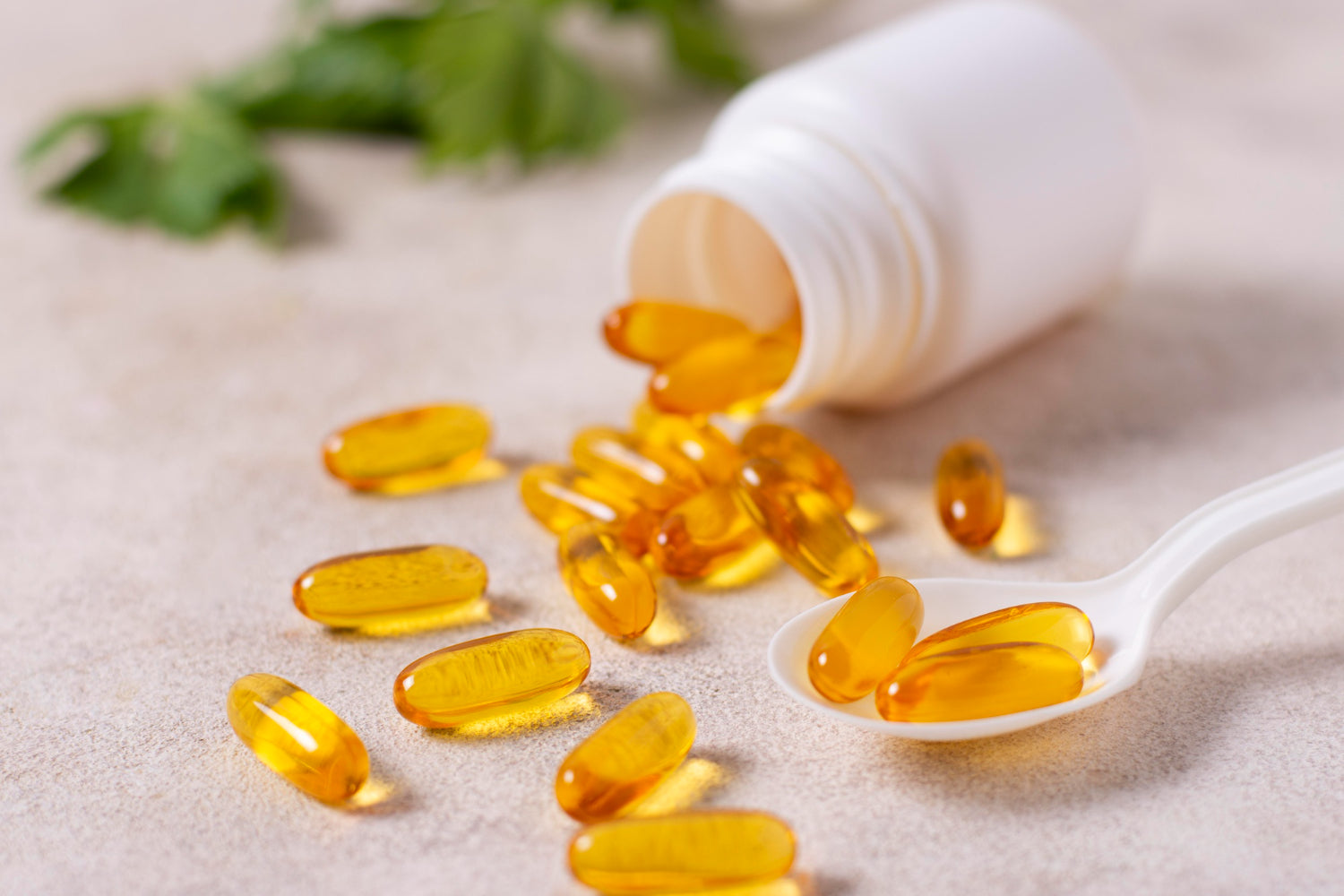
Stiff Person Syndrome (SPS) is a rare neurological disorder characterised by progressive muscle stiffness and painful spasms. The syndrome is so rare that it affects approximately 1 in a million people, meaning it is often misdiagnosed or misunderstood. Despite its rarity, understanding the symptoms, diagnosis, treatment, and supportive supplements can significantly improve the quality of life for those affected by SPS. Symptoms The symptoms of Stiff Person Syndrome vary in severity and may develop gradually over time. The primary symptom is muscle stiffness, which typically begins in the abdomen and can spread to the limbs. This stiffness often results in rigid posture and difficulty moving. Over time, muscle stiffness can become so severe that it affects basic daily activities, leading to disability. common symptoms include: Muscle Stiffness: Persistent rigidity, primarily in the torso, that may extend to the arms and legs. The stiffness often worsens during periods of stress or with sudden movements Painful Muscle Spasms: These spasms are often triggered by external stimuli such as noise, touch, or emotional stress. The spasms can be so intense that they cause falls or injuries Impaired Mobility: As the condition progresses, movement becomes increasingly restricted. Individuals may develop a hunched posture and walking can become challenging Sensitivity to Stimuli: Many people with SPS are overly sensitive to noise, touch, and emotional stress, which can exacerbate muscle stiffness and spasms Anxiety and Phobias: Due to the unpredictable nature of spasms and the physical limitations of the stiffness, individuals with SPS may develop anxiety or specific phobias, such as fear of leaving the house Autonomic Dysfunction: In some cases, SPS may affect the autonomic nervous system, leading to symptoms such as excessive sweating, rapid heart rate and blood pressure fluctuations Diagnosis Given its rarity and the overlap of symptoms with other neurological conditions, SPS is challenging to diagnose. A comprehensive approach is required, typically involving a combination of clinical evaluation, blood tests and imaging studies. Key steps in diagnosis: Clinical Evaluation: The first step involves a thorough neurological examination. The presence of persistent muscle stiffness and spasms, especially in the absence of other conditions like multiple sclerosis or Parkinson’s disease, may raise suspicion of SPS Antibody Testing: Blood tests are used to detect antibodies associated with SPS, particularly GAD antibodies. Around 60-80% of individuals with SPS have elevated levels of GAD antibodies Electromyography (EMG): EMG can be used to assess the electrical activity of muscles and confirm the presence of continuous motor unit activity, which is indicative of muscle stiffness Lumbar Puncture: A spinal fluid analysis might be performed to rule out other neurological conditions and to assess for the presence of antibodies Imaging Studies: MRI or CT scans may be conducted to exclude other structural causes of the symptoms. These imaging techniques help ensure that the symptoms are not due to other neurological disorders Exclusion of Other Conditions: SPS is often a diagnosis of exclusion, meaning that other conditions with similar symptoms, must be ruled out first Treatment Currently, there is no cure for Stiff Person Syndrome, but various treatments can help manage symptoms and improve quality of life. The primary goals of treatment are to reduce muscle stiffness, prevent spasms and address any associated anxiety or phobias. Those diagnosed with stiff person syndrome may be prescribed: Medications like diazepam or clonazepam are commonly used to relax muscles and reduce stiffness Muscle relaxants to manage spasticity For individuals with severe symptoms, IVIG therapy can be beneficial. It involves the infusion of antibodies from healthy donors to regulate the immune system and reduce the activity of harmful antibodies Filtering the blood to remove harmful antibodies. It is typically reserved for severe cases or when other treatments have failed In some cases, steroids and immunosuppressants may be used to reduce the autoimmune activity that contributes to SPS For individuals with significant pain from muscle spasms, pain relievers, may be prescribed Regular physical therapy is crucial for maintaining mobility and flexibility. A physical therapist can design a personalised exercise program to help manage stiffness and prevent contractures. Occupational therapists can assist in modifying daily activities to accommodate physical limitations, making it easier to perform tasks like dressing, cooking, and bathing. Cognitive Behavioral Therapy (CBT) can be effective in managing anxiety and phobias. By addressing the psychological aspects of the condition, individuals can improve their mental health and overall well-being. Techniques like mindfulness, meditation and deep breathing exercises can help reduce stress, which may alleviate some of the symptoms of SPS. Recommended Foods for Stiff Person Syndrome 1. Anti-Inflammatory Foods Chronic inflammation can worsen autoimmune conditions like SPS. An anti-inflammatory diet can help reduce inflammation and may alleviate some symptoms. Fatty Fish: Salmon, mackerel, sardines and trout are rich in omega-3 fatty acids, which have powerful anti-inflammatory effects Leafy Greens: Spinach, kale and Swiss chard are packed with antioxidants, Vitamins, and Minerals that help fight inflammation Berries: Blueberries, strawberries and raspberries are high in antioxidants Nuts and Seeds: Walnuts, flaxseeds and chia seeds are excellent sources of omega-3 fatty acids 2. Foods Rich in Magnesium Magnesium plays a crucial role in muscle function and relaxation, which is particularly important for individuals with SPS who experience muscle stiffness and spasms. Dark Leafy Greens: Spinach, kale and Swiss chard are high in magnesium Legumes: Lentils, chickpeas, black beans and soybeans provide a good amount of magnesium Nuts and Seeds: Almonds, cashews and pumpkin seeds are rich sources of magnesium Whole Grains: Brown rice, quinoa and oats contain magnesium and other essential nutrients 3. Vitamin D-Rich Foods Vitamin D supports bone health, muscle function and immune regulation. Fatty Fish: Salmon, mackerel and sardines are also excellent sources of vitamin D Egg Yolks: Eggs, particularly the yolks, provide a small amount of vitamin D Fortified Foods: Many dairy products, plant-based milks and cereals are fortified with vitamin D Mushrooms: Some varieties, especially when exposed to sunlight, can provide vitamin D 4. Foods High in B Vitamins B vitamins, particularly B6 and B12, are essential for nerve health and energy production. Lean Meats: Chicken, turkey and beef are rich in B vitamins, especially B6 and B12 Fish: Tuna, trout and salmon are good sources of B12 and other B vitamins Eggs: Eggs contain a variety of B vitamins, including B12 and B6 Fortified Cereals: Many breakfast cereals are fortified with B vitamins 5. Calcium-Rich Foods Calcium is important for bone health and muscle function, and getting enough calcium is crucial, especially if using medications that may affect bone density. Dairy Products: Milk, yogurt and cheese are excellent sources of calcium Leafy Greens: Kale, broccoli and bok choy provide plant-based calcium Fortified Plant Milks: Almond milk, soy milk and rice milk often contain added calcium Tofu and Tempeh: These soy-based products are good sources of calcium 6. Foods Rich in Antioxidants Antioxidants help protect the body from oxidative stress, which can contribute to inflammation and other complications. Vegetables: Peppers, carrots and tomatoes are high in various antioxidants Fruits: Citrus fruits, grapes and pomegranates are rich in vitamin C and other antioxidants Green Tea: Contains catechins, powerful antioxidants that may support immune health 7. Probiotic-Rich Foods Gut health is linked to immune function, and probiotics can help maintain a healthy gut microbiome. Yogurt: Choose plain, unsweetened yogurt with live and active cultures Kefir: A fermented milk drink rich in probiotics Sauerkraut and Kimchi: Fermented vegetables that provide beneficial bacteria Miso: A fermented soybean paste used in soups and sauces Foods to Limit or Avoid While certain foods can be beneficial, some might worsen symptoms or contribute to inflammation: Processed Foods: High in unhealthy fats, sugars and preservatives, which can contribute to inflammation Sugary Foods: Excess sugar can increase inflammation and may negatively impact immune function Caffeine and Alcohol: These can trigger muscle spasms or exacerbate anxiety in some individuals High-Sodium Foods: Excess sodium can contribute to fluid retention and hypertension, which may worsen symptoms Recommended Supplements for Stiff Person Syndrome While there is no specific supplement that can cure SPS, certain Vitamins and Supplements may support overall health and potentially alleviate some symptoms. Vitamin D is important for bone health and muscle function. Some studies suggest that vitamin D deficiency may worsen autoimmune conditions Magnesium is essential for muscle relaxation and nerve function. Supplementing with magnesium may help reduce muscle stiffness and spasms. B vitamins, particularly B6 and B12, play a role in nerve health. Deficiency in these Vitamins can contribute to neurological symptoms Found in fish oil, omega-3 fatty acids have anti-inflammatory properties that may help modulate immune function and reduce the severity of autoimmune symptoms An amino acid found in tea leaves, L-Theanine has calming properties and may help reduce anxiety without causing drowsiness, making it a good option for managing stress in SPS patients Alpha Lipoic Acid has been shown to support nerve health and may provide neuroprotective benefits in autoimmune conditions Related Articles Vitamin D - Deficiency & Health Benefits – HealthAid® Sources Stiff Neck Causes and Natural Remedies - Dr. Axe (draxe.com) What is stiff-person syndrome? - Mayo Clinic News Network Sharing Mayo Clinic: Diagnosed with stiff-person syndrome - Mayo Clinic News Network Stiff Person Syndrome (healthline.com) Immunotherapy Treatment Shows Dramatic Results For Rare Neurological Disorder | ScienceDaily 6 Non-Essential Amino Acids Improve Joint Pain and Stiffness (naturalhealthresearch.org) Images: Image by stockking on Freepik Image by freepik Any information or product suggested on this website is not intended to diagnose, treat, cure, or prevent any medical condition. Never disregard medical advice or delay in seeking it because of something you have read on this website. Consult your primary healthcare physician before using any supplements or making any changes to your regime.
Read more