

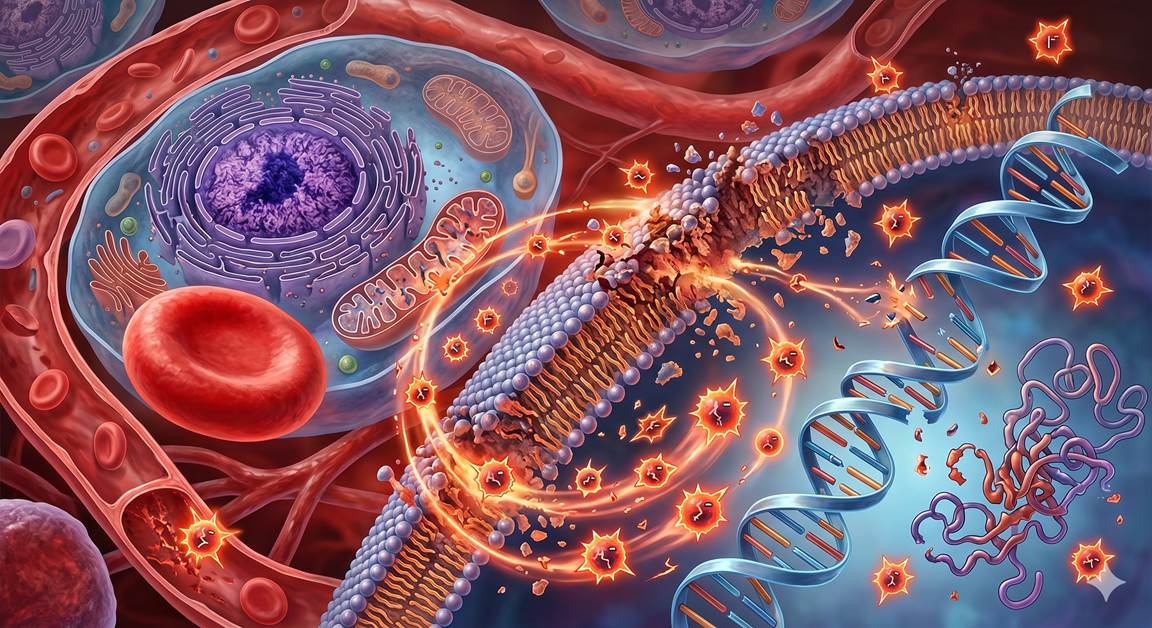
Every day your body is exposed to invisible damage that can slowly affect your energy, immunity, heart, brain and overall health. One of the main causes of this damage is something known as free radicals.
Although the name may sound complicated, the basic idea is actually very simple.
Free radicals are unstable particles that damage healthy cells. Antioxidants are the body’s natural defence system against them.
Understanding the balance between free radicals and antioxidants may help explain why modern lifestyle habits such as stress, processed food, pollution and lack of sleep can have such a powerful effect on our health.
What Are Free Radicals?
Free radicals are unstable atoms or molecules that are missing an electron. Because they are unstable, they constantly try to “steal” electrons from healthy cells in order to stabilise themselves.
This creates a damaging chain reaction.
When one healthy cell loses an electron, it can itself become unstable and begin attacking other cells. Over time, this process can lead to widespread damage throughout the body.
Scientists refer to this process as oxidative stress.
Why Are Free Radicals Harmful?
Excessive free radical activity may contribute to premature ageing and many chronic health problems.
Free radicals can damage:
- DNA (genetic material inside cells)
- Cell membranes
- Mitochondria (the energy-producing part of cells)
- Blood vessels
- Immune system cells
- Brain and nerve tissue
When cellular DNA becomes damaged repeatedly, abnormal cells may develop and multiply. Oxidative stress has also been linked to fatigue, inflammation, cardiovascular problems and weakened immunity.
Many researchers now believe that long-term oxidative stress may play a role in the development of various chronic health conditions.

Common Sources of Free Radicals
Some free radicals are naturally produced inside the body. For example, the body creates them during normal energy production.
However, modern lifestyle factors can dramatically increase free radical burden.
Internal Sources
1. Stress and Negative Emotions
Emotional stress, anxiety, fear, anger and poor sleep may increase oxidative stress levels in the body.
Chronic stress also raises stress hormones such as cortisol and adrenaline, which may contribute to increased free radical production.
2. Chronic Inflammation
Conditions involving long-term inflammation may increase oxidative stress. Examples include:
- Allergies
- Hay fever
- Chronic sinusitis
- Arthritis
- Autoimmune conditions
- Asthma
- Chronic digestive irritation
During inflammation the immune system produces free radicals to fight harmful invaders. The problem begins when this process becomes chronic.
3. Excessive Exercise
Moderate exercise is highly beneficial and actually strengthens the body’s antioxidant defences.
However, extremely intense physical training without proper recovery may increase oxidative stress excessively.
This is why nutritional support and recovery are especially important for people engaged in heavy athletic training.

External Sources of Free Radicals
Modern life exposes us to many substances that may increase oxidative stress, including:
- Processed and junk foods
- Refined sugar
- Trans fats and deep-fried foods
- Smoking
- Alcohol
- Pollution
- Heavy metals
- Pesticides and herbicides
- Excessive medications
- Radiation exposure
- Poor-quality oils
- Artificial additives and preservatives
What Are Antioxidants?
Antioxidants are protective substances that help neutralise free radicals before they can damage healthy cells.
They are often called free radical scavengers because they help “disarm” unstable particles.
The body naturally produces some antioxidants, including:
- Glutathione
- Catalase
- Superoxide dismutase (SOD)
However, due to modern lifestyle pressures, many people may benefit from increasing antioxidant-rich foods and nutritional support.

Best Natural Sources of Antioxidants
A healthy diet rich in colourful plant foods is one of the best ways to support the body against oxidative stress.
Some excellent antioxidant-rich foods include:
- Blueberries
- Blackberries
- Pomegranate
- Goji berries
- Elderberries
- Spirulina
- Chlorella
- Turmeric
- Fresh herbs
- Garlic
- Onions
- Flax seeds
- Walnuts
- Pecans
- Raw vegetables
- Green leafy vegetables
Generally speaking, fresh and minimally processed foods tend to contain higher levels of protective compounds.

Lifestyle Habits That Help Reduce Oxidative Stress
Simple daily habits can make a significant difference:
- Eat more vegetables and antioxidant-rich foods
- Reduce refined sugar and processed foods
- Avoid smoking and excessive alcohol
- Stay physically active
- Sleep well
- Manage emotional stress
- Drink enough water
- Reduce exposure to toxins where possible
Supporting liver function and reducing inflammatory burden may also help lower oxidative stress levels.
Important Antioxidant Supplements
Some of the most widely studied antioxidant nutrients include:
- Alpha Lipoic Acid
- Coenzyme Q10
- Acetyl L-Carnitine
- Selenium
- Vitamin C
- Vitamin E
- Astaxanthin
- Resveratrol
- Quercetin
- Lutein
- Lycopene
- Chlorella
- Spirulina
These nutrients are often used to support cellular energy production, antioxidant protection and healthy ageing.

Alpha Lipoic Acid
One antioxidant that has received considerable scientific interest in recent years is Alpha Lipoic Acid (ALA). Many people use it as part of their nutritional routine to support energy production, antioxidant protection and general wellbeing.
Unlike many antioxidants, Alpha Lipoic Acid is both water- and fat-soluble, meaning it can work throughout different parts of the body. It is also known for helping recycle other antioxidants such as vitamins C and E.
HealthAid Alpha Lipoic Acid provides 250mg per capsule in a vegetarian-friendly formula designed to support antioxidant protection and everyday health.
Final Thoughts
Free radicals are a normal part of life, but modern lifestyle habits can greatly increase oxidative stress levels.
The good news is that the body has powerful defence systems — especially when supported through healthy nutrition, good lifestyle habits, stress management and antioxidant-rich foods and supplements.
Over time, simple habits such as eating more fresh foods, sleeping properly and reducing processed foods may make a surprisingly big difference to how we feel and function.
This article is for educational purposes only and is not intended to diagnose, treat, cure or prevent any disease. Food supplements should not be used as a substitute for a varied and balanced diet and healthy lifestyle. Always consult your doctor or qualified healthcare professional before making significant dietary or supplement changes, especially if you are pregnant, breastfeeding, taking medication or have a medical condition.


